Tech / 3D Printing
Lanyard Adapter for Ikelite Housing Handles
A small printed part replaces the ball mount on an Ikelite handle with an attachment point for a safety lanyard.
From the tinkering years since 2016 to the point where ideas finally turn into parts that are reliably useful.
I bought my first 3D printer in 2016 during engineering school together with three friends. We were young, excited about anything technical, and absolutely eager to build the thing and keep improving it. What was fascinating even back then was how accessible 3D printing already felt, but in practice it was still more maintenance, tuning, and troubleshooting than actual printing.
That early phase was exactly this mix of enthusiasm and constant tinkering. The first printer was cheap, exciting, and educational, but good results did not just appear on their own. Overhangs, material behavior, setup quirks, and all the typical weaknesses of earlier machines meant that even halfway clean prints often already felt like a small success.
Later I added a second machine, a Creality, which made larger parts possible. But even that was still far away from what I would call relaxed work today. Open-frame printing, dust, bad printer days, and that feeling that good results only happen when the stars align were simply part of the deal for a long time.
Since 2025 I have been running a Bambu Lab X1C, and that changed a lot for me. I no longer have to constantly simplify or abstract ideas just so the printer might still manage them cleanly. I now have much more freedom while designing, can work with sensible tolerances, and can think about threads or tighter fits far more confidently. For someone who prefers designing over printing anyway, that is the actual upgrade.
Since that newer printer arrived, more and more private projects have happened simply because I can trust parts to print cleanly. In roughly two years that turned into around 700 print hours for private use alone. That variety is exactly what makes the medium interesting to me: from a perfect spacer under a dishwasher to inserts for a spice cabinet to parts for a classic van so a modern radio fits properly. Most of the time it takes several iterations until a part is genuinely good, but that is precisely the enjoyable part. And when the result is useful not just for me but for others too, I am happy to share the designs, currently mostly on MakerWorld. Unless noted otherwise, CC BY-NC-SA 4.0 is usually the default for private use. Commercial use is something we should discuss. Some parts are also officially licensed and available in Paul’s shop: sure-parts on eBay . For other projects we can likely figure something out as well.
This is not just about finished models, but about the path behind them: the use cases, the iterations, and the small design decisions that ultimately decide whether a part is actually useful in practice.
Tech / 3D Printing
A small printed part replaces the ball mount on an Ikelite handle with an attachment point for a safety lanyard.
Tech / 3D Printing
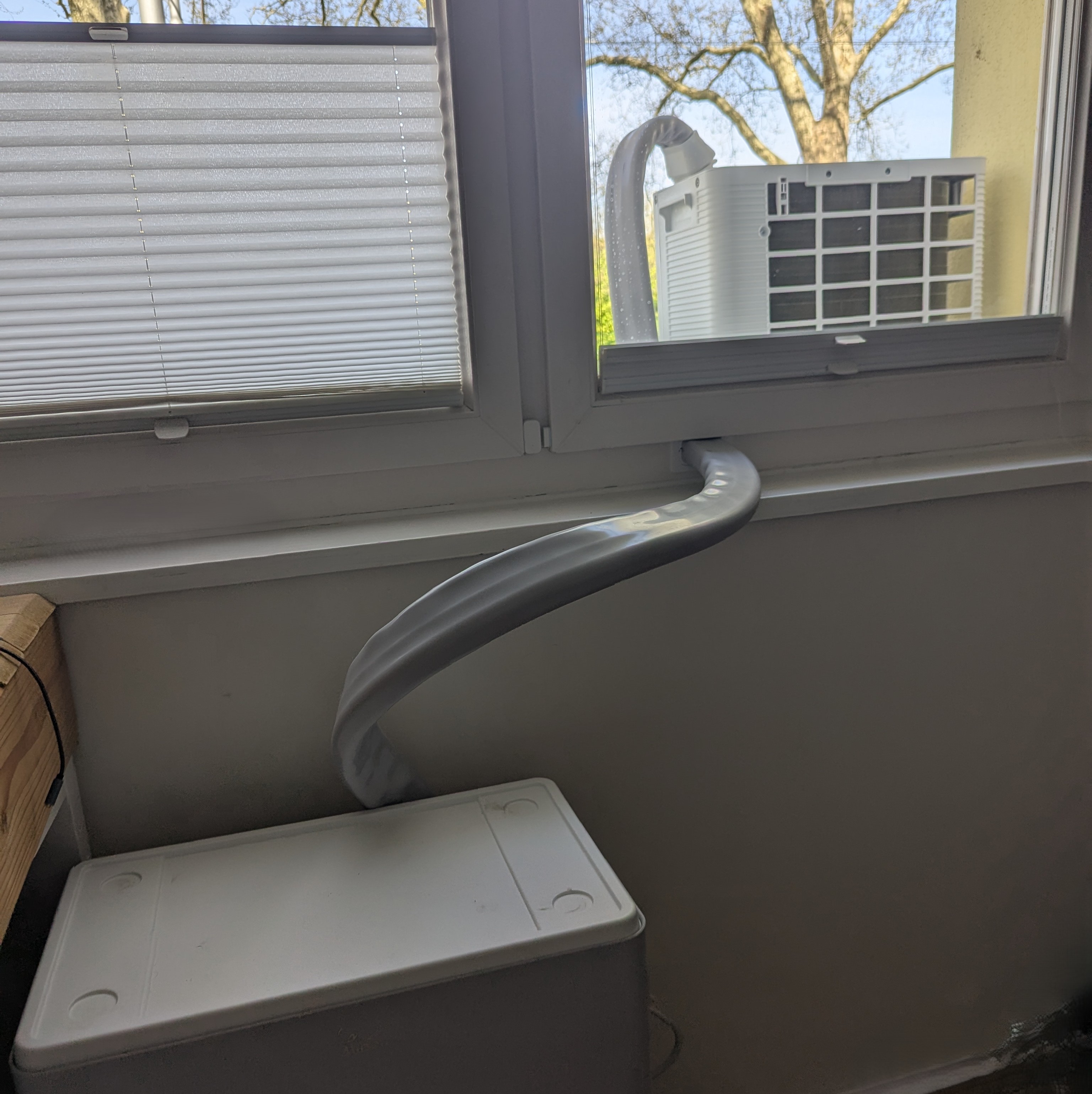
A window pass-through for the Midea PortaSplit AC that stays in all summer. Print it yourself, generate it for your own window profile, or buy it ready-made.
Tech / 3D Printing
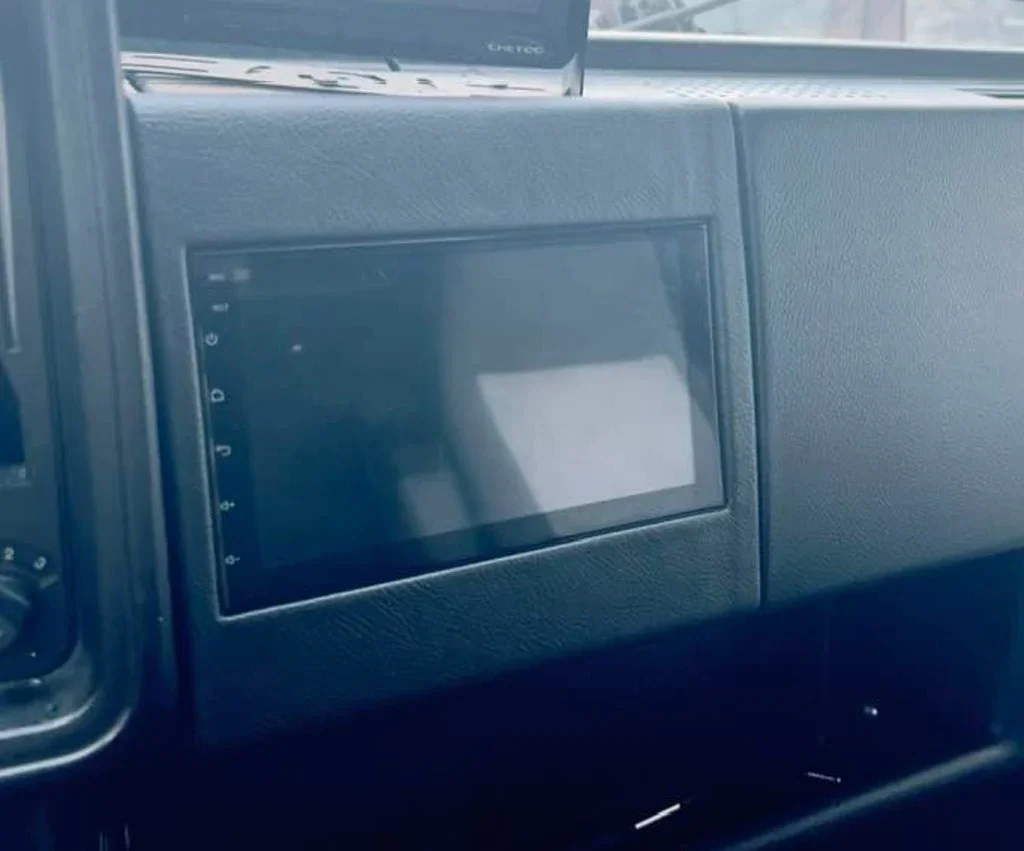
A restored 1984 VW LT gets a radio and navigation without looking retrofitted: a printed PETG frame, covered in faux leather.
Tech / 3D Printing
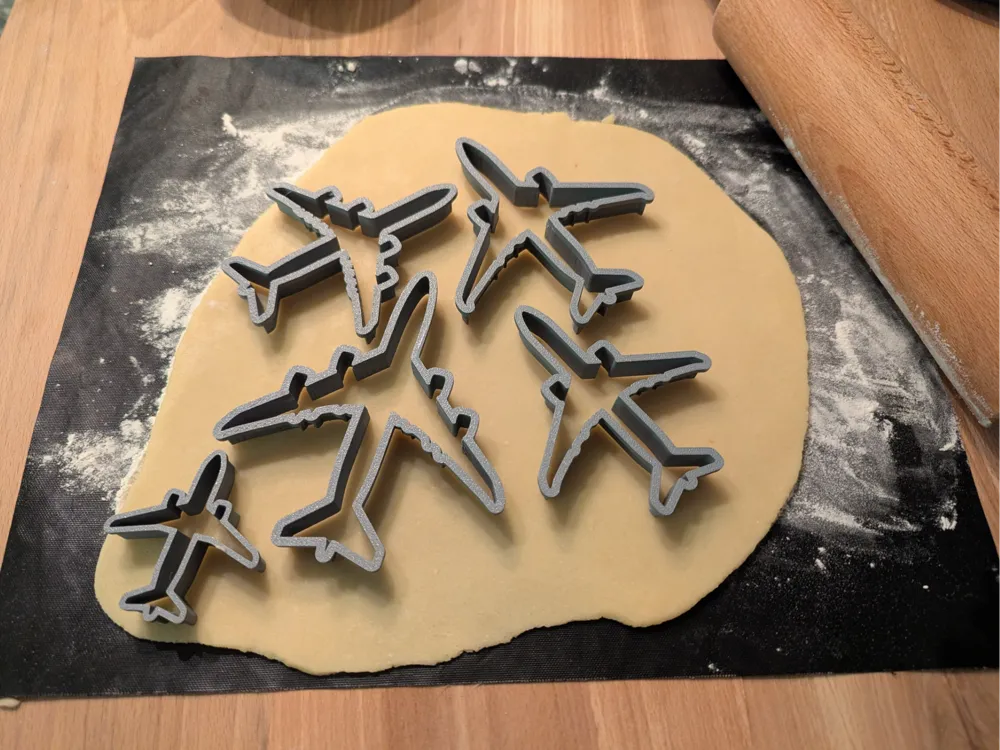
A wonderfully nerdy project where official aircraft geometry, CAD abstraction, a helper app in the background, and a very unreasonable amount of baking all ended up meeting in one place.
Tech / 3D Printing
Printed inserts use the full width of the narrow METOD apothecary pull-out. Now it holds mills, spray bottles and 16 spice jars.
Tech / 3D Printing
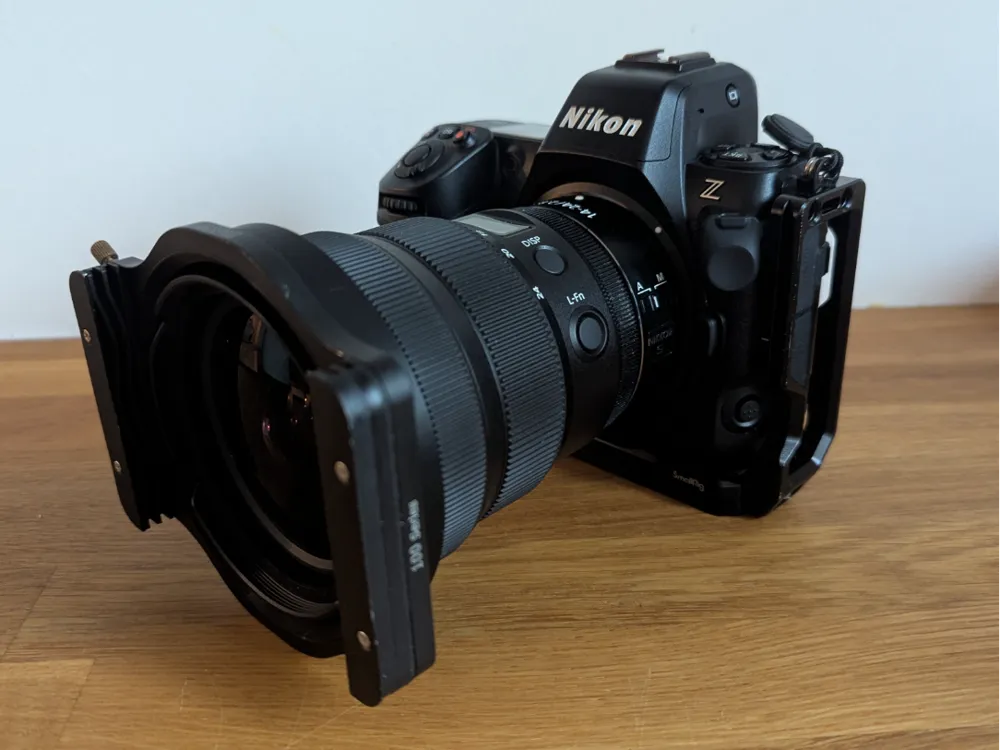
There was no adapter for my small Haida 100 mm filter system on the Nikon Z 14-24 mm. A printed part now replaces the lens hood, without vignetting.
Tech / 3D Printing
A printed mount screws a GoPro onto the Halkey-Roberts valve of an inflatable SUP. The first version broke while being tightened, the second one holds.
Tech / 3D Printing
A printed rack for the large IKEA apothecary pull-out: up to twelve kinds of tea at a glance, taken out from below, with lids that keep the dust off.